Why a car is useful in Kefalonia
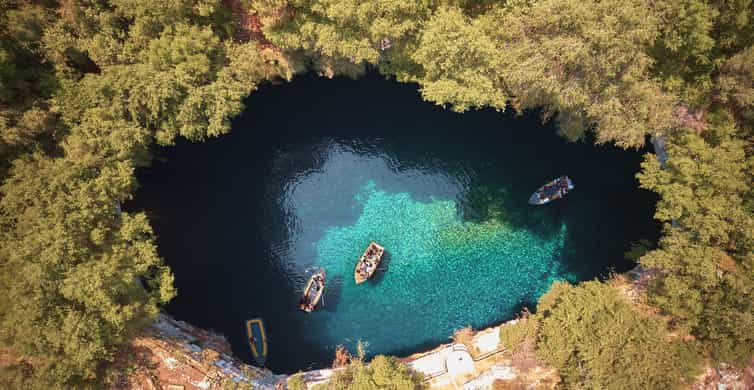
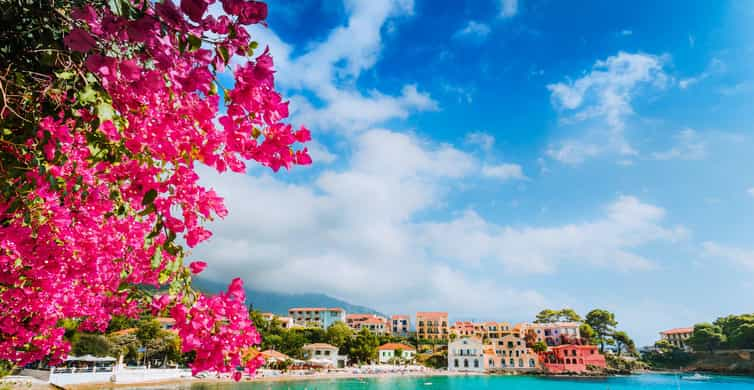
Myrtos, Melissani, Assos, Fiskardo and the best beaches lie in different corners of the island, and from Argostoli it takes about an hour to an hour and a quarter to reach Fiskardo. KTEL buses link Argostoli with the main villages a few times a day at best, much less often in the north and out of season, and the timetables are built around school and work. A car lets you be at Myrtos before the car park fills, or catch the evening light in Assos.
You can manage without one if you stay in Argostoli, Lassi or Skala and fill the gaps with organised tours. Many visitors hire for just a few days of a week.
Licences and IDP rules for UK and EU drivers
According to the UK government's travel advice, you can drive in Greece with a UK photocard driving licence; if you still have an old paper licence you may need the 1968 International Driving Permit (IDP) as well, or a new photocard. Provisional licences are not valid for driving or hiring any vehicle. Licences issued in an EU country, including Germany and Italy, are valid throughout the EU. Drivers from elsewhere should check whether they need an IDP.
Hire companies can set stricter rules than the law, such as a minimum age, a year or more of driving experience or an IDP, so read the conditions before you pay. You will normally need a credit card in the main driver's name for the deposit.
Kefalonia car hire: airport, resorts and the contract
International firms have desks at the airport, and local companies deliver cars there or to your hotel; there are also offices in Argostoli, Lassi, Skala and Agia Efimia if you only want a car for part of your stay. Car hire in Agia Efimia is handy for a base in the north-east, where buses are rare. Small cars suit the narrow village lanes; book an automatic early in summer.
Check what the insurance excludes: tyres, glass and the underside of the car are often left out, as is damage on unsurfaced roads. If you plan to take the car to Ithaca or Lefkada, ask first, as some contracts do not cover ferries. Photograph the car before you drive off and return it with the agreed fuel level.
Roads, mountain driving and goats
Roads are generally paved and in fair condition, but they are narrow and winding, with hairpin bends on the way down to Myrtos, Assos, Antisamos and Petani. Drive on the right, sound your horn lightly on blind bends and expect coaches in the middle of the road in summer. After rain, watch for fallen stones below cuttings.
On Mount Ainos and in the north, goats and sheep wander onto the road and often stand still in the middle of it, so slow down on every bend. The speed limits are 50 km/h in built-up areas and 90 km/h outside unless signs say otherwise, and the blood alcohol limit is 0.5 g/l, or 0.2 for novice drivers and moped and motorcycle riders. Seat belts and child seats are compulsory, and phones may only be used hands-free.
Petrol stations are found along the main roads and in the larger villages; fill up in or near Argostoli, Sami or Skala before a long day in the north or on Paliki, and avoid mountain roads after dark if you are new to them.
Parking at Myrtos, Assos and Fiskardo
At Myrtos, the road from Divarata drops through 2–3 km of hairpins to a free car park at beach level, which fills by late morning in July and August; arrive before 10:00 or come back in the late afternoon, and never stop on the bends. In Assos, parking is very limited: in summer, take the first space above the village and walk down rather than squeezing into the narrow lanes. Cars are not allowed into the centre of Fiskardo, so use the free car park above the harbour.
In Argostoli, street parking near the waterfront fills quickly in summer, so park on the outer streets and walk in. Antisamos, near Sami, also has limited space in August.
Scooters and quads
To hire a moped or scooter, the UK government says you need a licence with at least category A1 (light motorcycle); the UK category P for 50 cc mopeds is not valid in Greece. Helmets are compulsory for riders and passengers of mopeds, motorcycles and quads, and police fine riders without them and can take their licence.
Hire company insurance often covers only third parties, and many travel policies exclude quad biking. On these roads, a small car is the safer choice for most visitors. For crossings to Ithaca, Lefkada or the mainland, see Kefalonia ferries.